Wine pairing at home: a concise guide to a private dinner
Six principles our head sommelier follows when assembling a six-course wine pairing for guests dining at home. None of them concern price.
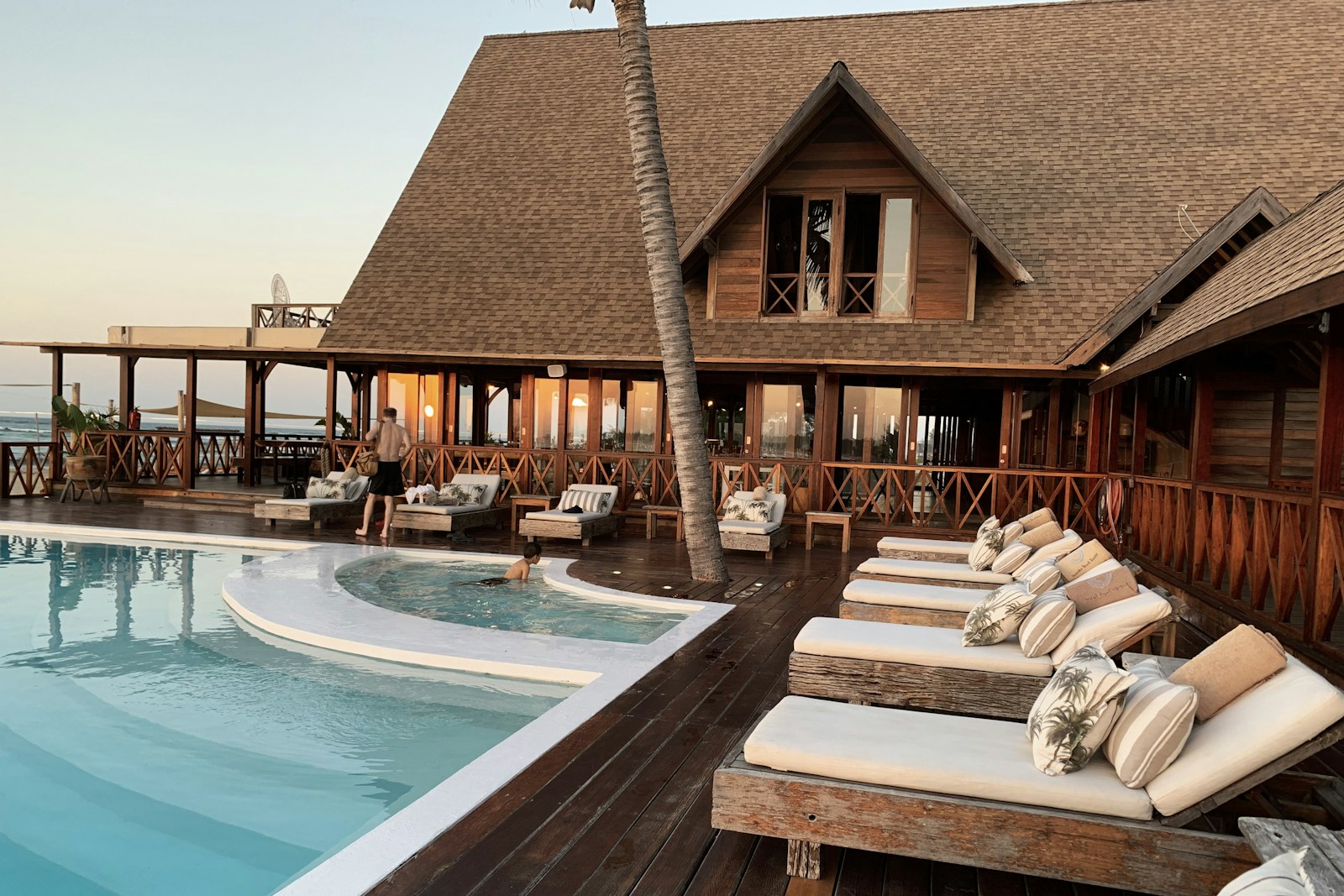
Begin with the room, not the menu
The setting dictates the pace. A glass-walled terrace on a summer evening calls for different wines than a candlelit dining room in February. Decide which atmosphere you are hosting before you draft a list.
Two whites are generally sufficient
One crisp, one full-bodied. A Chablis and a barrel-aged Chardonnay; a Riesling and a White Burgundy; a Verdicchio and a richer Italian. The two-white approach carries a dinner from amuse-bouche to fish course without ever feeling repetitive.
Purchase one bottle more than you expect
Servings invariably run a little longer than the arithmetic suggests. We bring one spare bottle of every wine to a private dinner, every time, without exception, and the guest never sees it unless we need it.
Decant the reds you are uncertain about
A hesitant young red transforms with thirty minutes of air. A fragile older red collapses with twenty. When in doubt, decant the young one and leave the old one alone.
Serve smaller than you imagine
A 100 ml pour is generous for a paired dinner. Pour less, top up more often, and your guests will remember the wines they actually drank.
Finish sweeter than you began
Even if your dessert is bitter chocolate or a cheese board, the final glass should draw the evening towards sweetness. A late-harvest Riesling, a Sauternes, a Tokaji — the specific choice matters less than the direction.
Prepared by the editorial team at Azurecoraloasis. Last updated 2026-07-13.
— More from the journal